What is Article 31 of the UN Convention on the Rights of the Child?
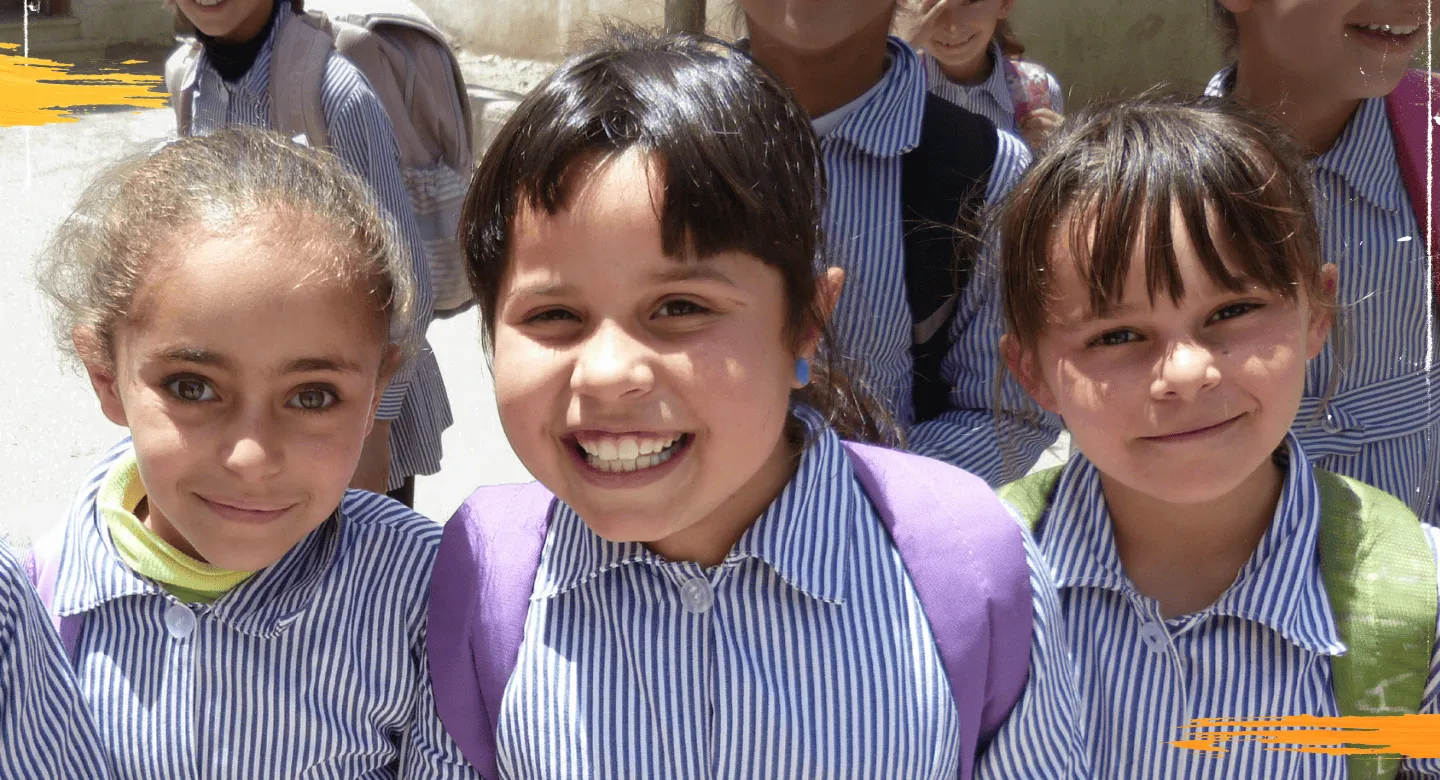
The UN Convention on the Rights of the Child (UNCRC) is an agreement that sets out the fundamental rights of every person under 18 years, regardless of their race, religion or abilities.
Adopted by the UN General Assembly in 1989, the UNCRC is the world’s most widely ratified international treaty on human rights. Countries that have signed it are bound by international law to uphold these rights. The Committee on the Rights of the Child monitors these countries to ensure that their governments are doing so.
In its 54 articles, the convention covers a range of fundamental rights for children, such as a right to an education, a right to safety from violence, and the right to health and health services.
Article 31 of the convention covers other lesser-known fundamental rights, including the right to play.
Although the convention states that no right is more or less important than the others, Article 31 has for a long time been under recognised. In fact, Right To Play research shows that only 37% of UK adults are aware that children have a right to play under this international and legally binding agreement.
It’s crucial that children’s play is understood as a fundamental right and essential part of childhood – rather than as a luxury – so that it is protected and prioritised.
Article 31: What does it actually say?
The right to play is enshrined in Article 31 of the convention. The full article reads:
- States Parties recognize the right of the child to rest and leisure, to engage in play and recreational activities appropriate to the age of the child and to participate freely in cultural life and the arts.
- States Parties shall respect and promote the right of the child to participate fully in cultural and artistic life and shall encourage the provision of appropriate and equal opportunities for cultural, artistic, recreational and leisure activity.
Is the right to play universally realised?
Although Article 31 states that every child has the right to rest and leisure, to engage in play and recreational activities appropriate to the age of the child, and to participate freely in cultural life and the arts, this is not the reality for many of the world’s children.
More than one in six children worldwide live in a place affected by conflict, and one in five live in extreme poverty. Nearly half of the world’s children live in places that are at extremely high risk from the impacts of climate change.
Such dangers and inequalities often cause or exacerbate the deprivation of play. Children living through conflict or climate shocks may not have safe spaces to play – and for refugee and displaced children play is seen as less important than other rights such as shelter and food. For children growing up in poverty, play may take a backseat behind the pressure to work to survive.
Even in more stable contexts, a lack of recognition of the importance of play means that adults, policies and education systems often fail to support it.
Some of the children who are most often denied their right to play include:
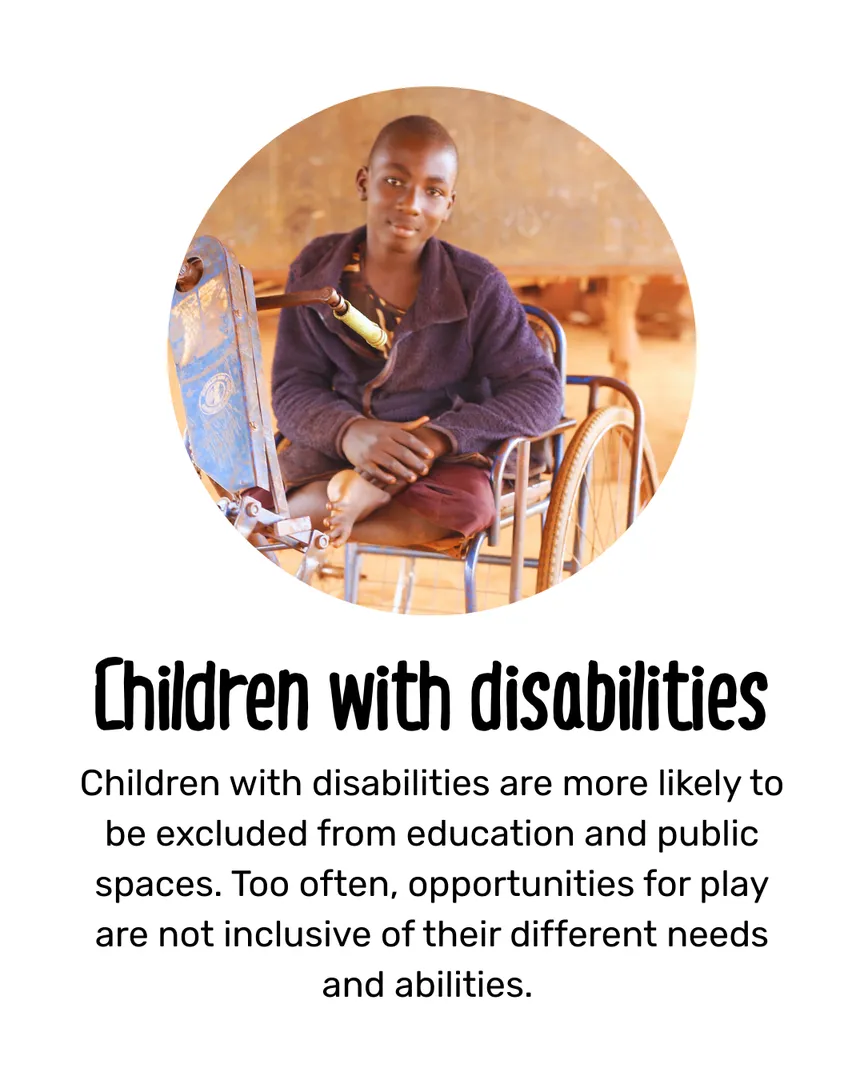
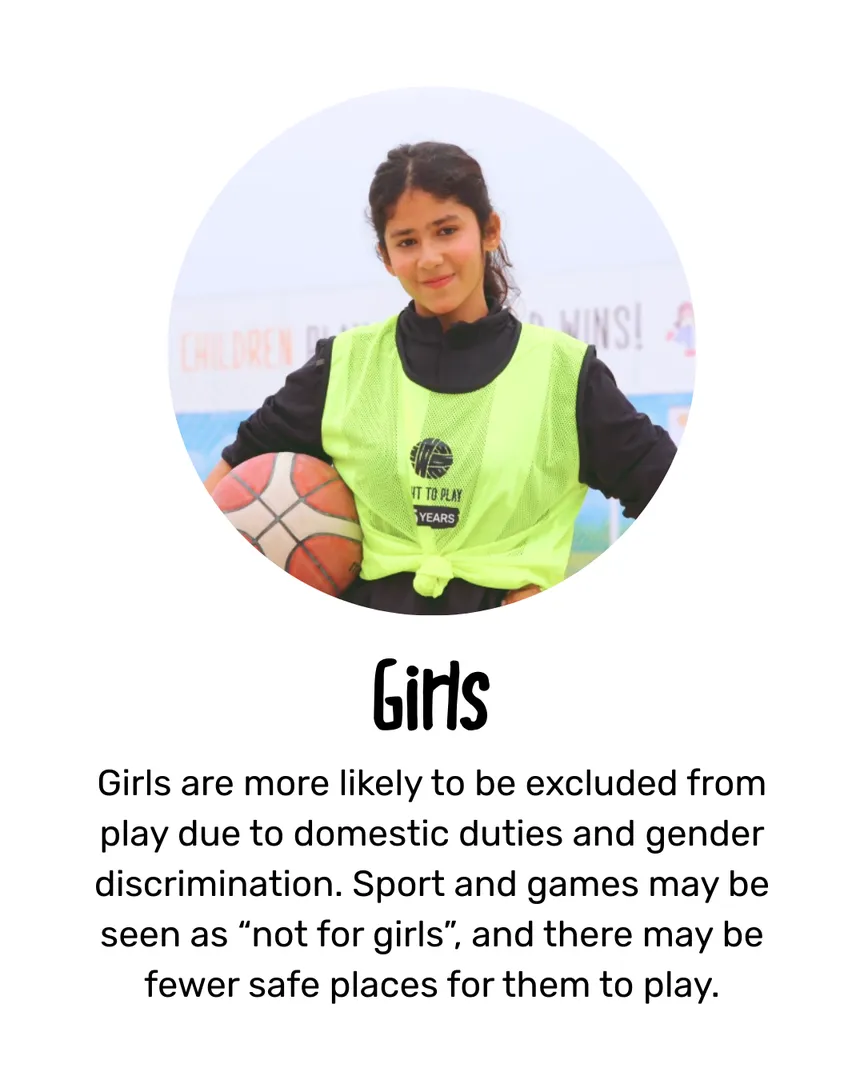
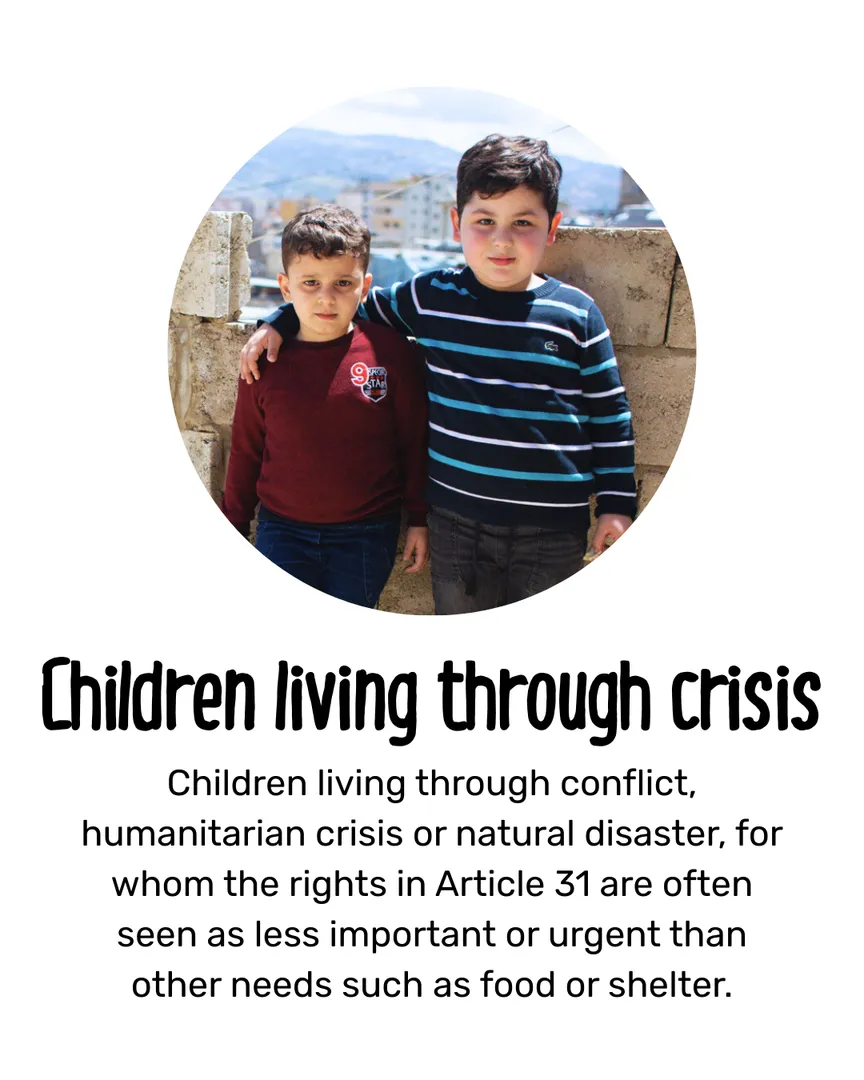
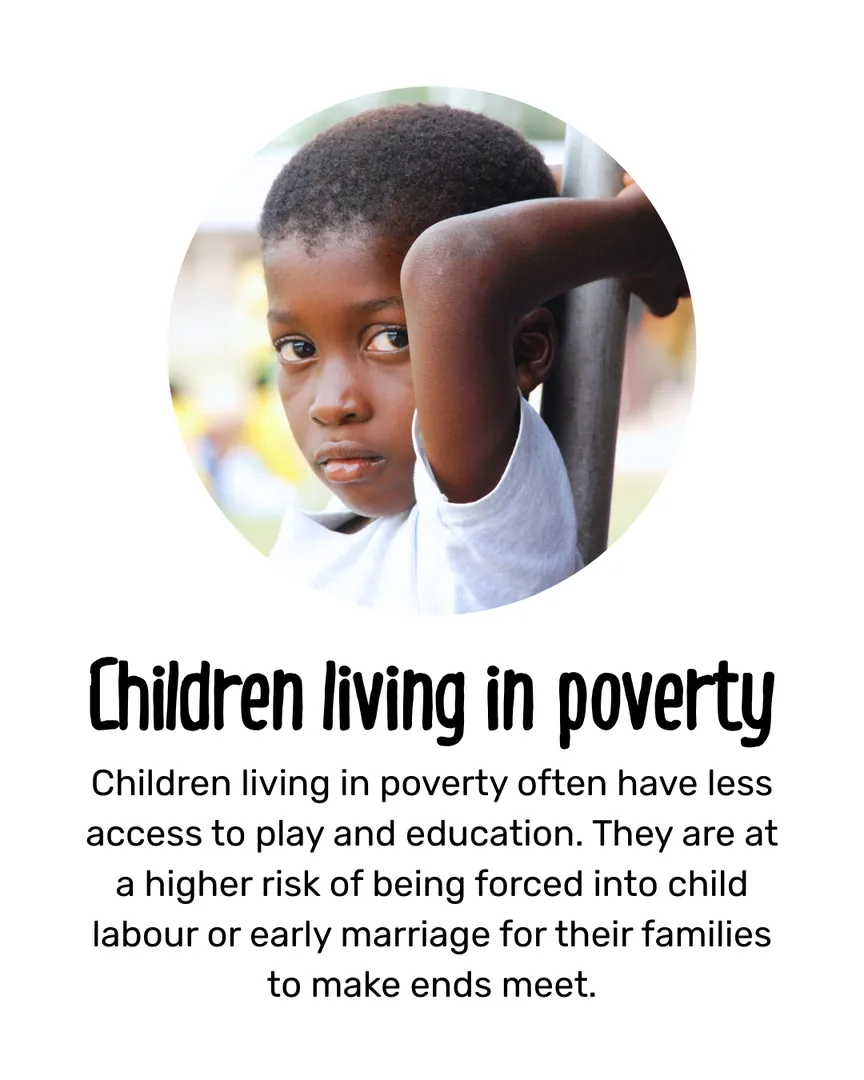
We need to urgently protect and promote children’s rights. Right To Play does this through programmes in some of the world’s most challenging contexts, including in conflict zones, refugee settlements and places with high levels of poverty, and by focusing on making play inclusive to all genders and abilities.
Around the world, we train caregivers, teachers and community leaders to promote play, and support national governments to bring play to the forefront in policy and school curriculums.
Why did the Committee submit a comment to Article 31?
In 2013, the UN Committee on the Rights of the Chid submitted General Comment no. 17 on Article 31. The aim of this comment was to clarify the meaning of Article 31, recognise the importance of play, rest and cultural and artistic participation for children’s development, and increase UN member states’ accountability for upholding it.
“The Committee is concerned by the poor recognition given by States to the rights contained in article 31,” the comment reads. “Poor recognition of their significance in the lives of children results in lack of investment in appropriate provisions, weak or non-existent protective legislation and the invisibility of children in national and local-level planning.”
The Comment goes on to define play and explain some of its benefits for children. It also provides guidance for countries to ensure universal realisation of the rights in Article 31, highlighting the active role and responsibility of national governments in ensuring universal access to these rights.
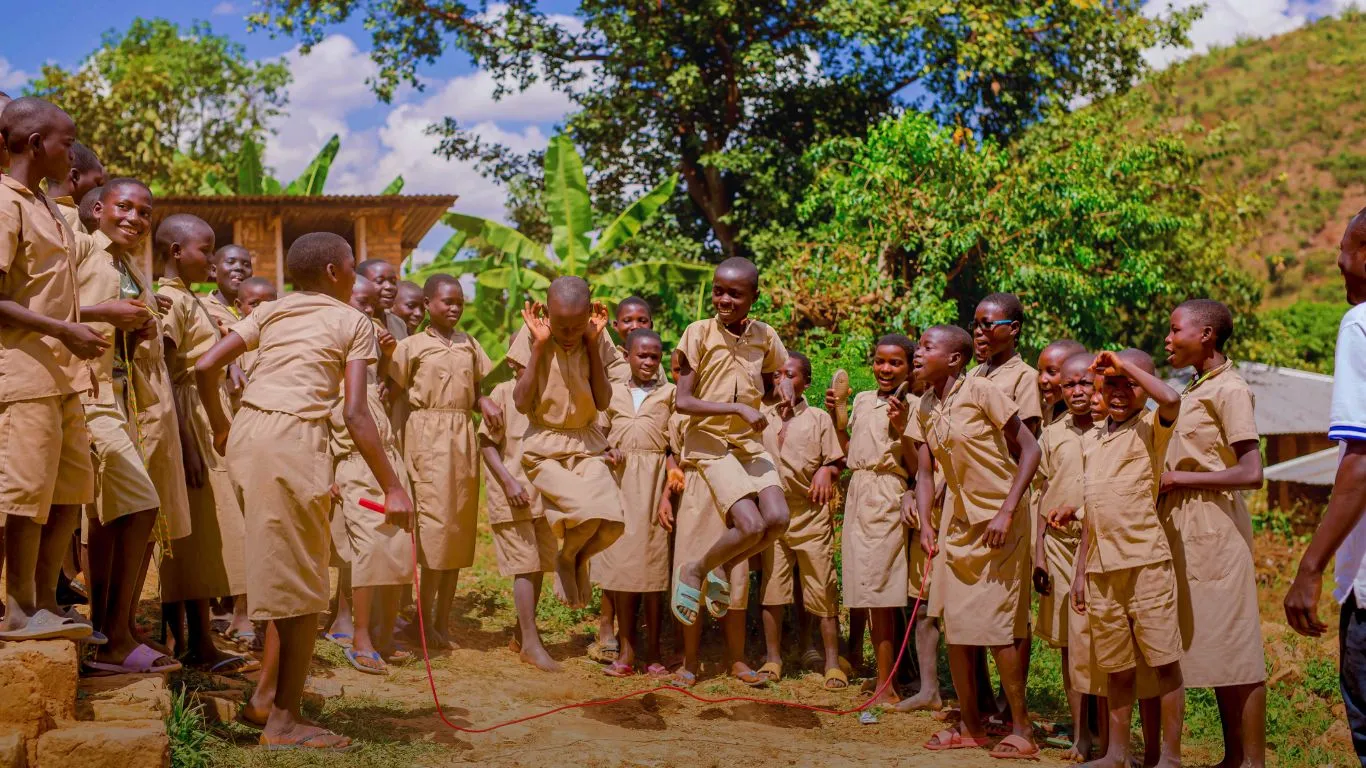
International Day of Play and Article 31
Despite the efforts to rectify the under recognition of Article 31 with the 2013 comment, there is still a long way to go in universal protection and promotion of these rights.
But in 2024, we made significant progress when the UN designated 11 June 2024 as the first ever International Day of Play. This announcement followed a powerful global campaign – of which Right To Play was a founding member – for recognition of this day.
International Day of Play highlights the importance of play and Article 31, and encourages the prioritisation of play through policy, training and funding at all levels.
Right To Play’s work and children’s fundamental rights
Since our founding in 2000, Right To Play has protected, educated and empowered more than 18 million children in some of the world’s most challenging contexts. Play is intrinsically connected to children’s other rights, and so is our work.
Click through for examples of how Right To Play’s programmes tie in with children’s other rights.
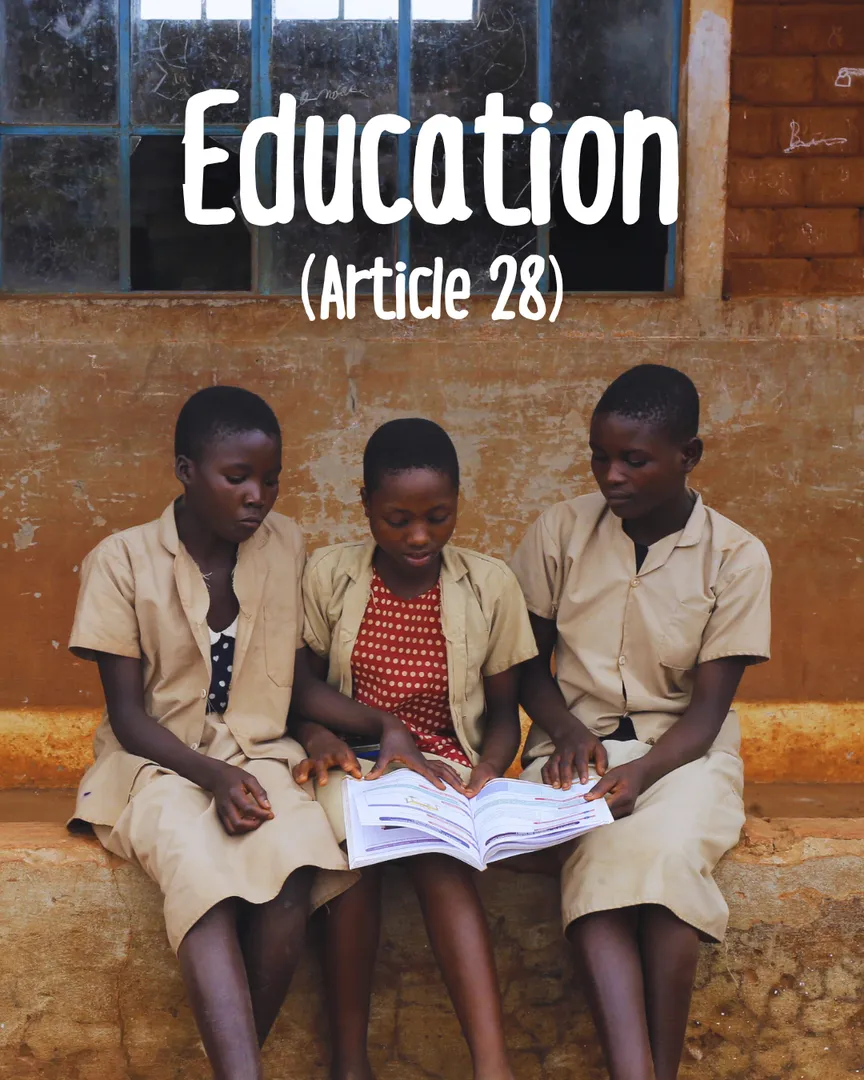
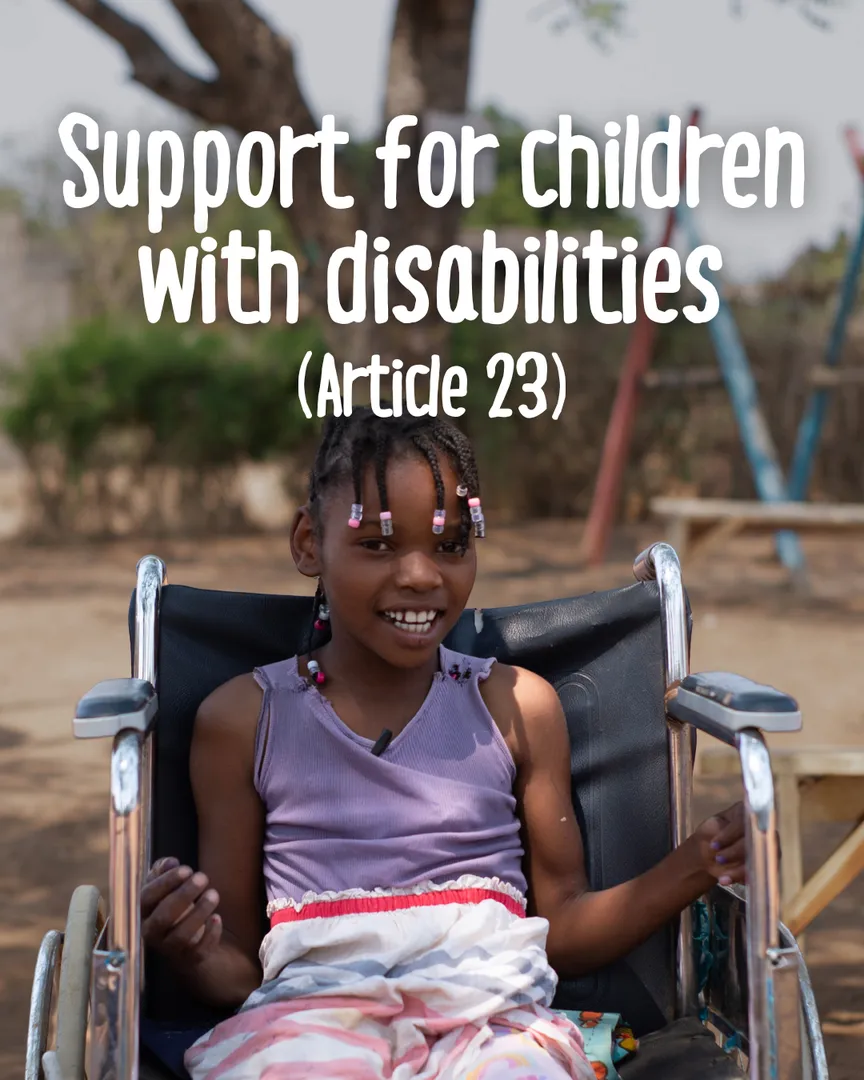
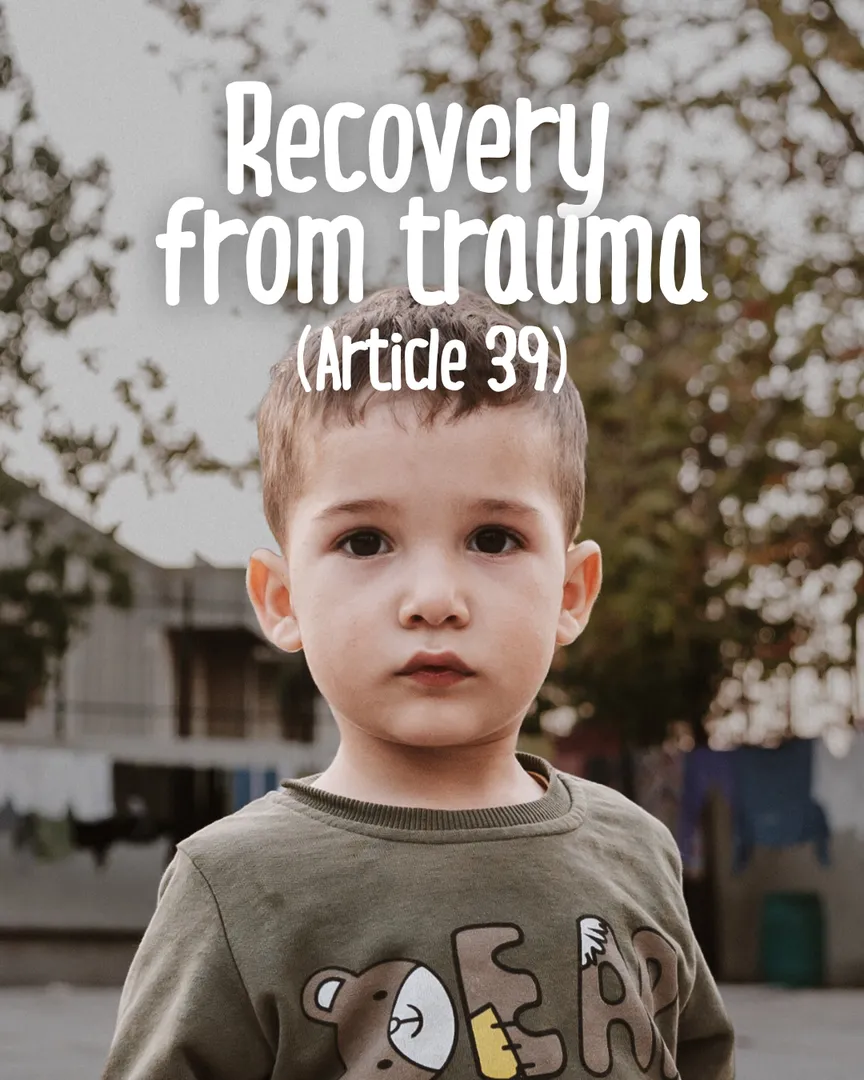
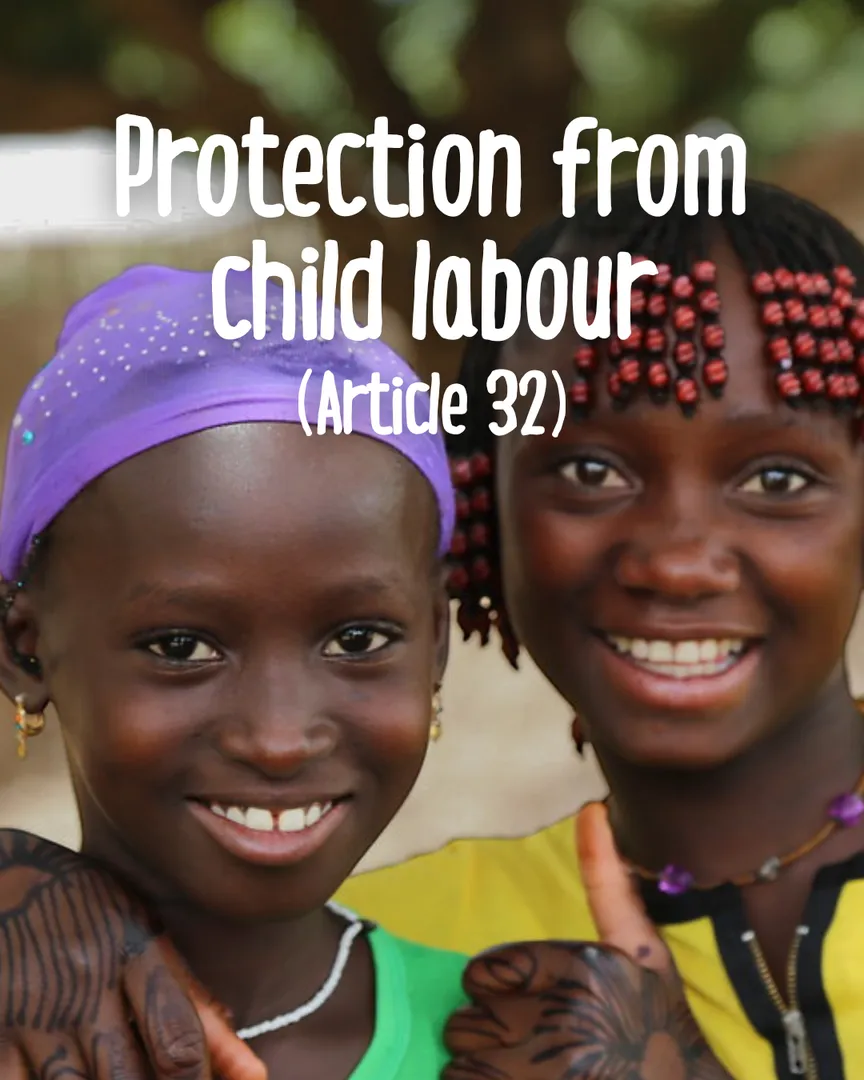
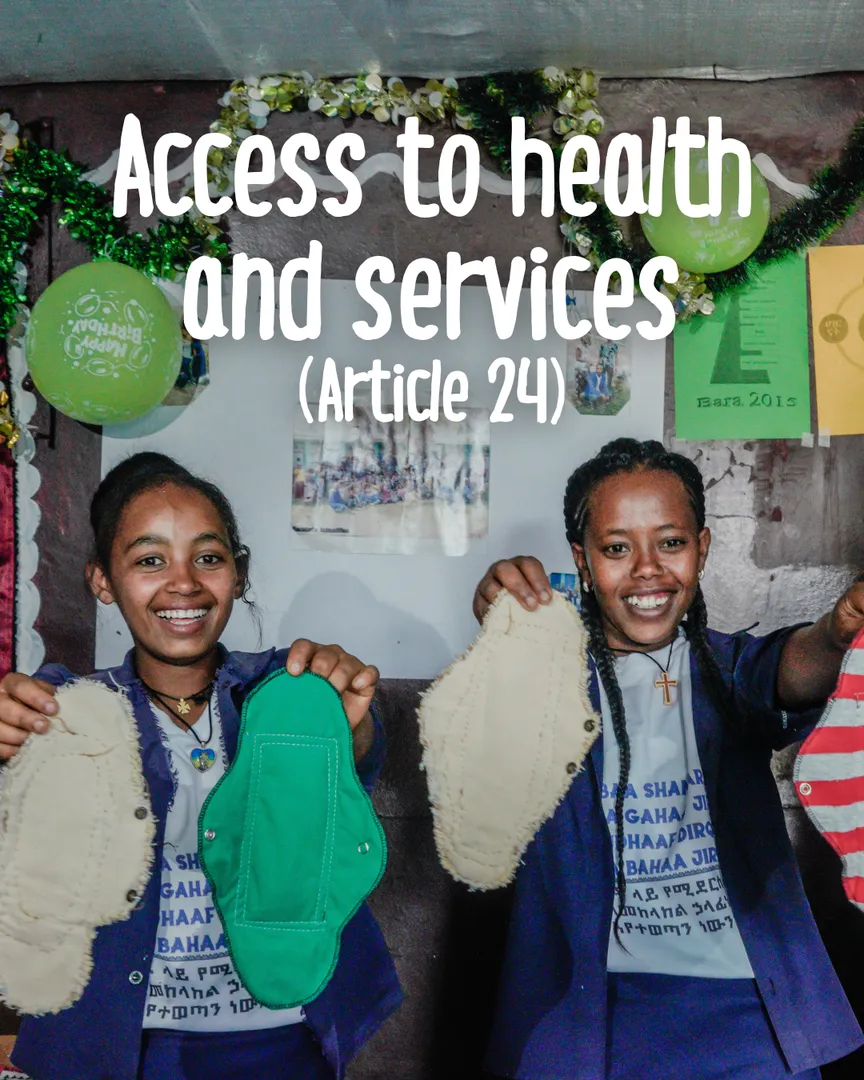
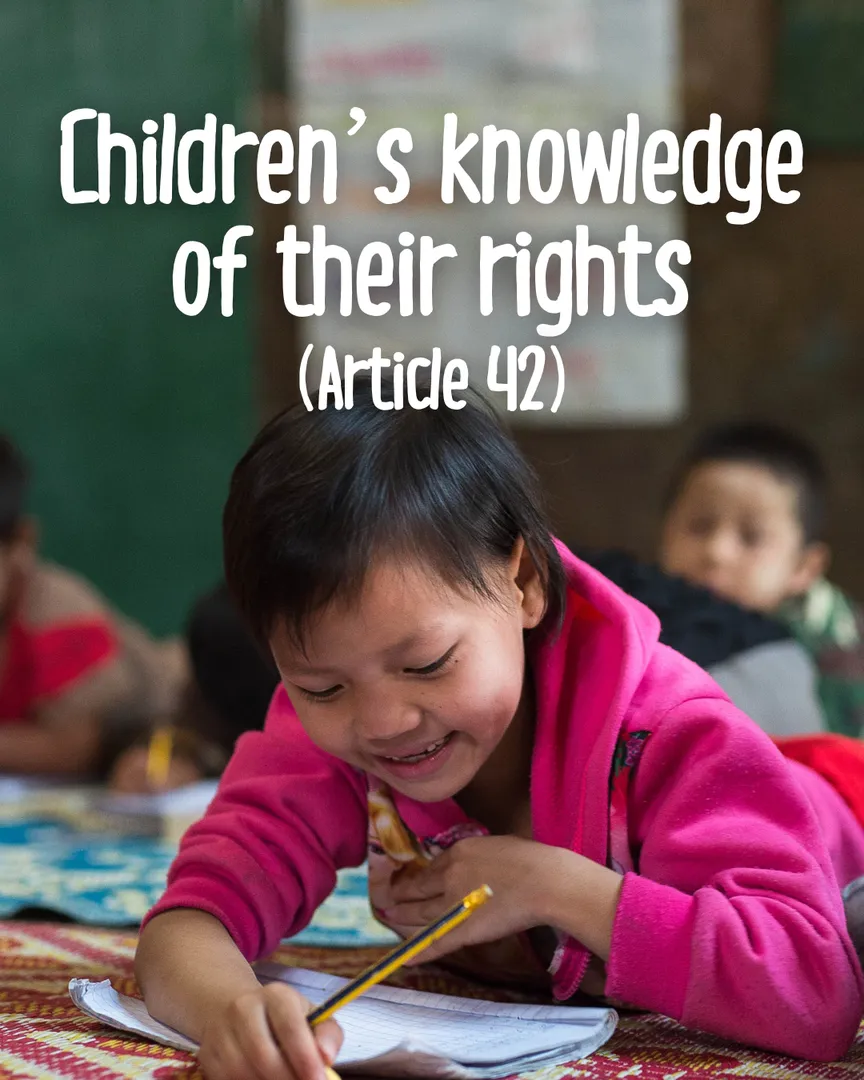
We use play to ignite children’s love of learning, making it fun, active and engaging so children perform better and are more likely to stay in school. We train teachers, work with governments to improve curriculums, and support children who have dropped out of school due to conflict, poverty, discrimination, child labour or early marriage to return.