Why play is vital for children in Gaza
“Every morning, my five-year-old daughter tells me, ‘I have an important appointment at 9 – don’t forget to wake me up.’”
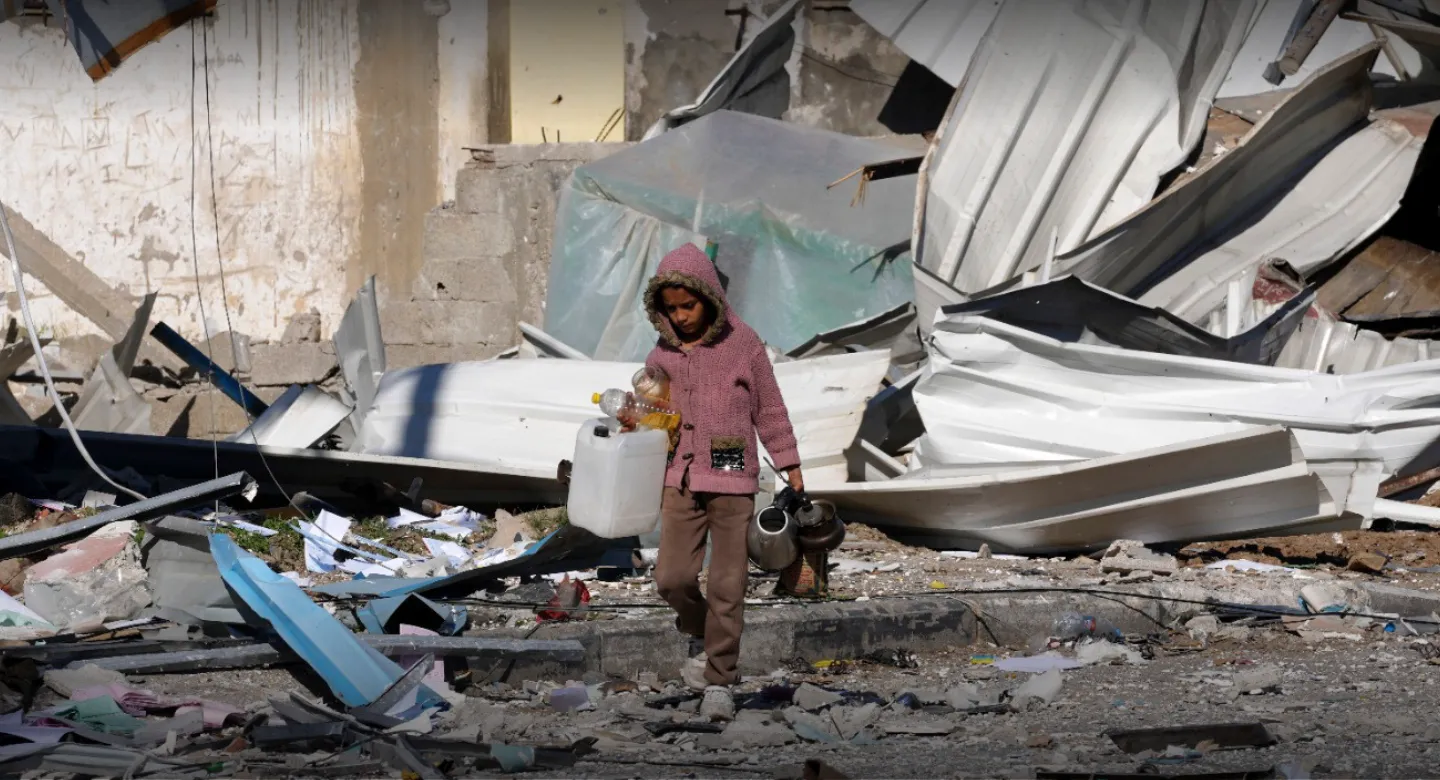
In Gaza, where Lina and her mother live, the rhythms of children’s daily lives have been shattered by years of violent conflict. Virtually the entire population has been displaced from their homes and is living in camps where even essentials like food and water are in short supply. 97% of schools are damaged or unusable; and children have been out of education for more than two years – losing the daily support, structure and protection school provides.
So what important appointment does 5-year-old Lina have? She’s talking about a play session.
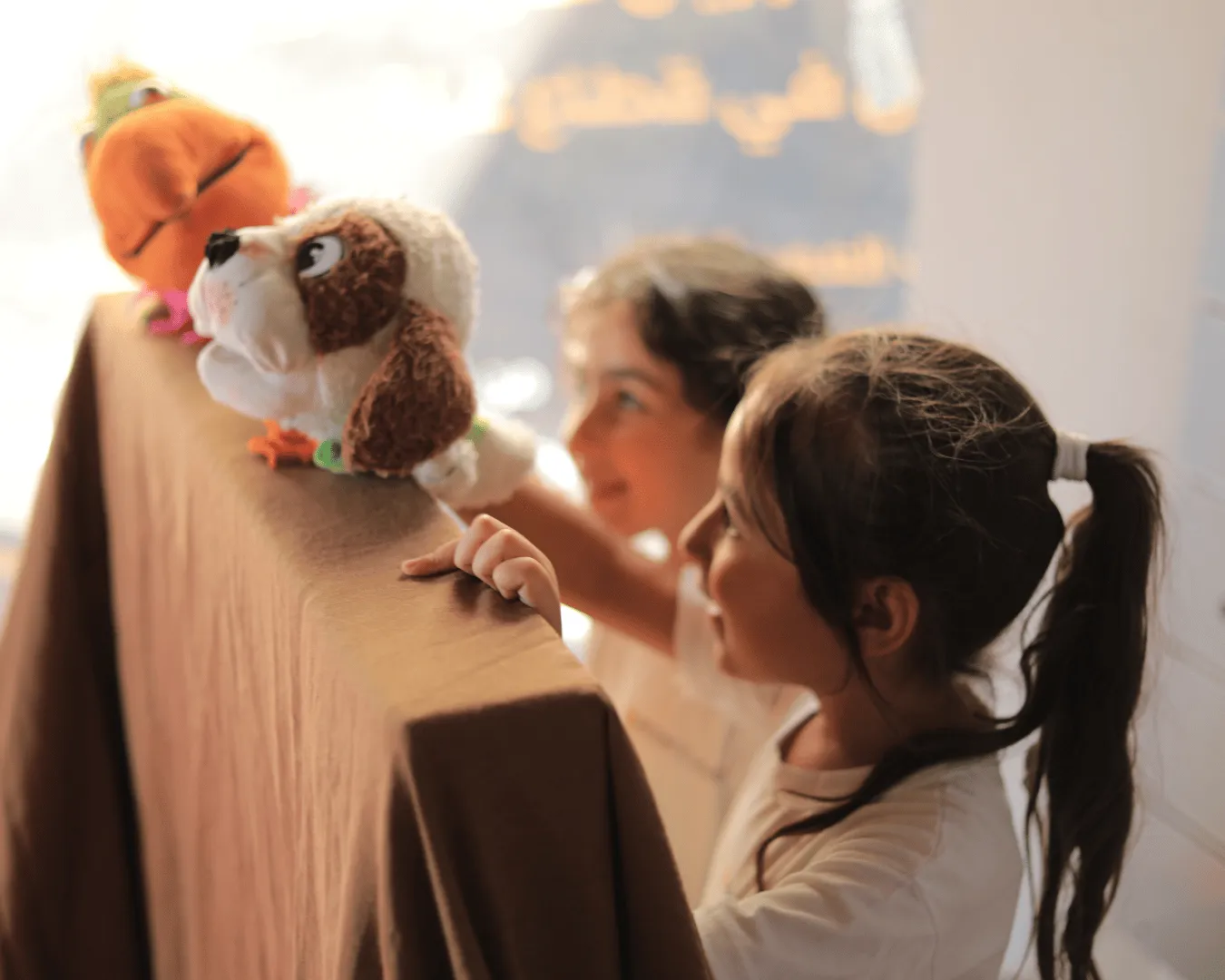
Right To Play runs these play sessions for children aged 5-12 at several rehabilitated temporary learning spaces as part of our Circle of Hope project. Led by facilitators trained to use play for psychosocial support and learning, the 90-minute sessions include structured play (led by adults) and unstructured play (led by children), with games designed to boost literacy skills, and arts and crafts activities.
Launched in 2025 in partnership with local NGO The Tamer Institute, the project reaches about 1,100 children around Deir Al Balah and Khan Younes.
Using play to protect mental health and well-being
Experts estimate that 54% of children in Gaza are living with post-traumatic stress disorder. More than one million children need urgent psychosocial support, as anxiety, depression and trauma continue to impact their lives and their development.
Play, far from being trivial, can make a significant difference to children’s mental well-being. Research shows that play soothes the nervous system, enables children to process and express their emotions, and helps them build resilience. When the world around them is frightening and uncertain, play gives children a way to explore those feelings and connect with others in a way that feels safe and comfortable for them.
“When I followed her to the centre, I understood that play is not just play for a child – it is their most important work.”
Studies show that play-based psychosocial support is a powerful way to boost children’s well-being in a humanitarian crisis response. Crucially, in challenging contexts like in Gaza, where resources are scarce, play doesn’t require lots of equipment or fancy materials. It just requires a safe place and expert facilitators who can provide psychosocial support through play.
We rehabilitate temporary learning centres and train facilitators to run these mood-boosting play sessions. We’re also supporting them in safeguarding and referral monitoring to protect the children.
Play is a pathway back to learning
While food, shelter, water and health services are essential in a crisis, children’s needs don’t stop there. For children to recover from trauma and rebuild their lives, they need more. They need stability, safe spaces, support from trusted adults, and learning. Children themselves tell us this: across 16 studies that surveyed almost 9,000 children living through crisis, 99% said that restoring access to education was a priority for them.
But children in Gaza have lost classrooms, school supplies and teachers throughout two and a half years of chaos. Today, even though concerted efforts are being made at temporary learning centres and in displacement camps, access to education is still challenging because of ongoing conflict and mass displacement.
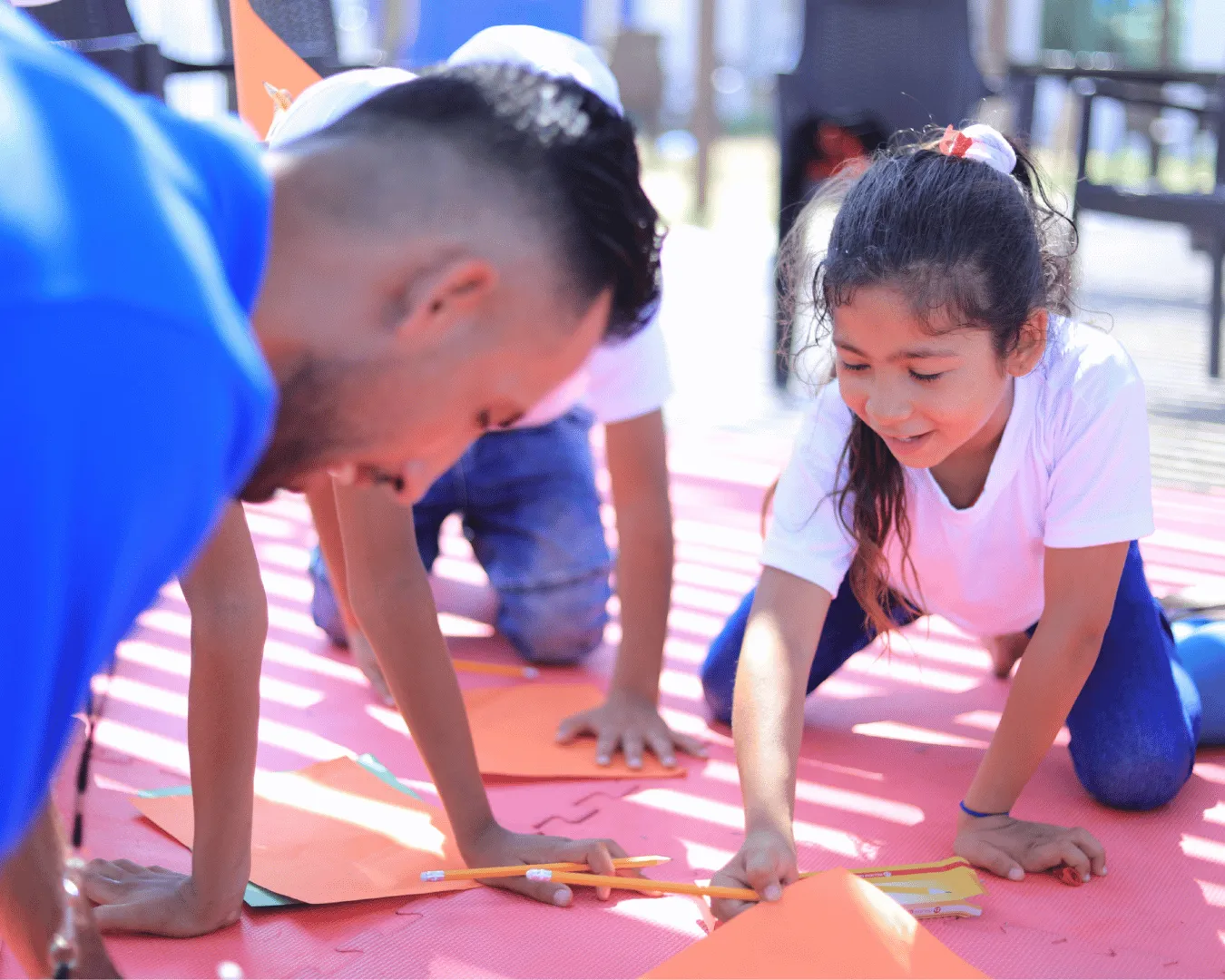
Even if they can get to a classroom, children who have experienced the trauma of living through war and losing loved ones aren’t always ready to sit in lessons again, explains Daoud Fawadleh, Programme Manager at Right To Play in the West Bank and Gaza.
Research shows that chronic distress shuts off the parts of the brain responsible for learning, reasoning and memory. Children may struggle to focus, they may become reserved, or they may be restless and disruptive. Even if they used to attend school, they may lose confidence in their ability to learn. For children like Lina, too young to remember a time before war, preparing to learn is a challenging transition.
That’s where play comes in. It helps children feel safe, calming the distress that shuts off their brain’s higher functions. Our play programmes prepare children for learning and help them begin to catch up on what they’ve missed after years out of school by introducing literacy and reading skills through play-based activities.
After years of conflict, where children lost homes, friends and safe places to play, these sessions help children reacclimatise to routines and get used to building positive relationships with other children and trusted adults – things that are as necessary in the classroom as they are in life.
“Play is a child’s true language. The right game can open whole worlds for a child who has already lived through too much.”
Playing for impact
The change in children who attend the play sessions has been profound. Facilitators report that the children who were once fearful or angry are becoming more confident and engaged in the sessions. The children are also calmer and more interested in play and reading outside of the sessions, parents say.
And the impact ripples out beyond the children who attend the temporary learning spaces. We also work with caregivers like Lina’s mother, supporting them to create a stable environment for children.
“That space didn’t just help her; it helped us as parents, too. In the middle of war, it became a place that saved us from the pressure.”