The Power of Sport: Right To Play’s Approach to Sport-based Programming
At Right To Play, sport is one of the many forms of play we use to support children’s learning, development and well-being. Sport was integral to the founding of our organisation, and remains a key way that many of our programmes reach children around the world.
Over the past 26 years, we have seen the value of sport-based programming in achieving key outcomes. This brief outlines how and why we use sport at Right To Play, including examples of past and current projects and reflections on learnings and future directions.
“We knew that play could strengthen a person's physique, […] But that it could enhance development and intellectual capacity, or that play could reduce stress? It is through Right To Play’s training that we have discovered this.”
Why do we use sport in our programming?
Right To Play uses a range of play-based methods to support children, and sport is one of these.
Sport is widely known, accessible and attractive to many, and fun and playful at its core. When used as a tool for programming, sport draws on these positive associations to bring people together and deepen engagement.
Well-designed sport-based programming leverages sports’ assets to intentionally achieve learning and well-being outcomes. Evidence indicates that participation in well-designed sport-based programming can contribute to a range of positive outcomes for children and young people in a wide variety of contexts.
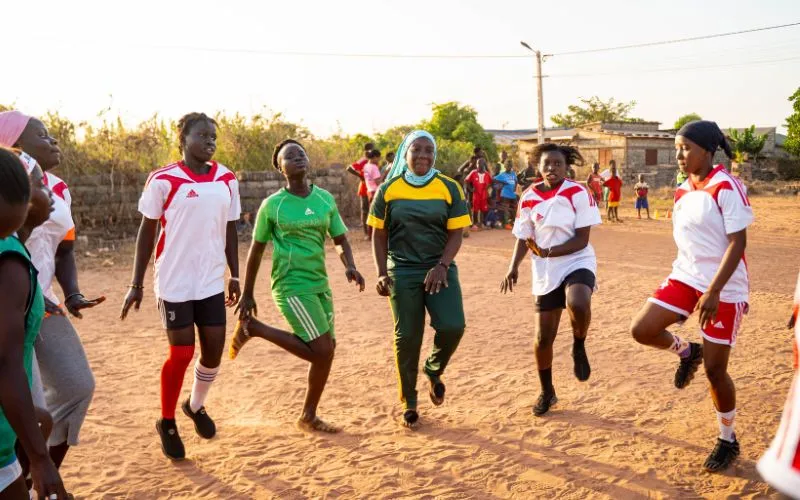
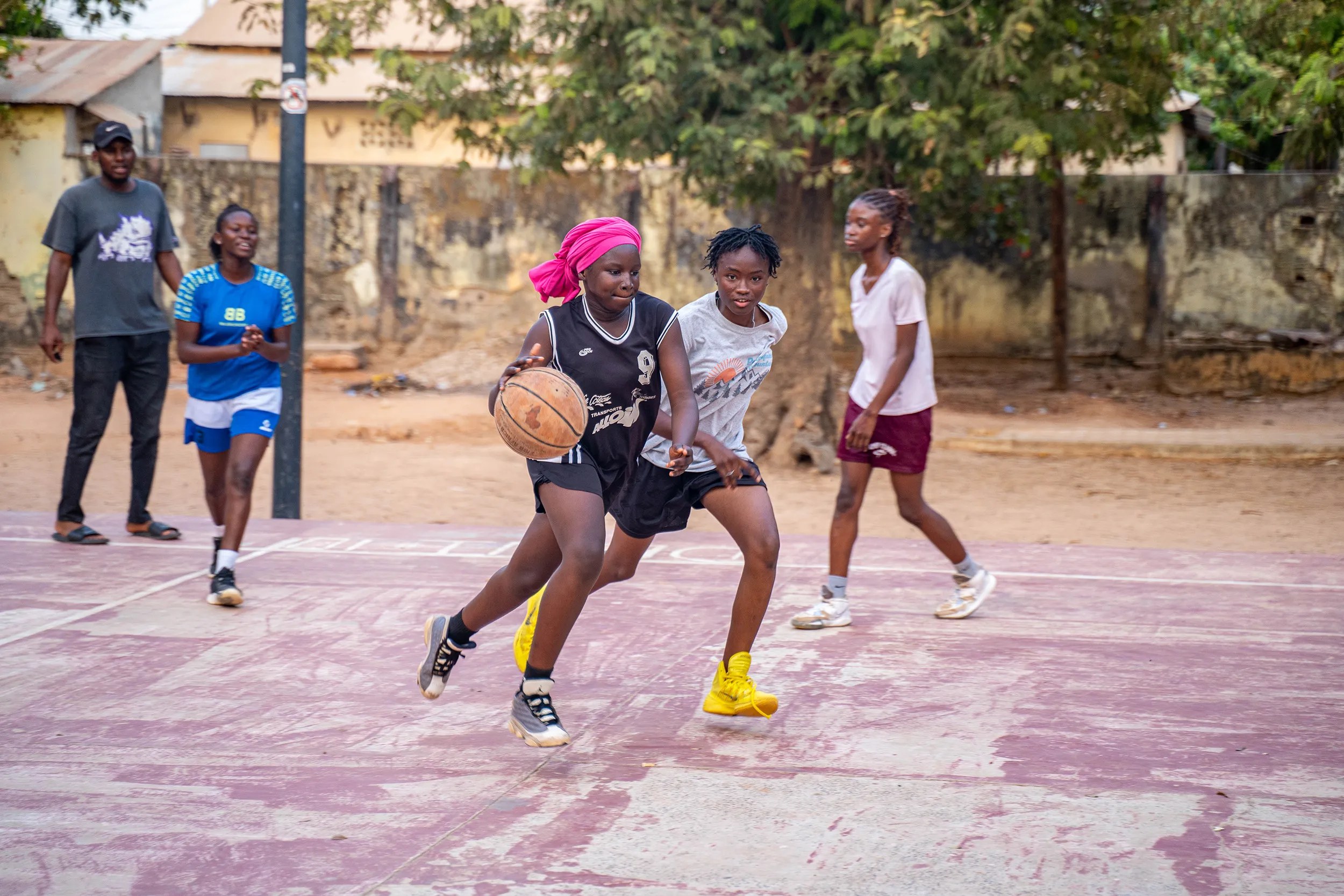
HOW DOES SPORT-BASED PROGRAMMING ACHIEVE OUTCOMES FOR CHILDREN?
Sport-based programmes that are intentionally designed and structured are a powerful tool for individual and social development.
We design sport-based programming as healing-centred experiences for children and young people, especially those who have experienced trauma, overwhelming or chronic stress, or who live in fragile or unstable contexts. We do this by creating safe and accessible spaces for participants that afford opportunities for learning, regulation, and connection that may not be available otherwise.
Four key qualities of sport which can can support learning and development have been identified by our partner, The Centre for Healing and Justice Through Sport:
- Patterned, repetitive movement helps regulate the nervous system.
- Safe, consistent relationships with coaches and teammates builds trust.
- Manageable challenges build resilience and self-efficacy.
- An environment where players feel safe, seen, proud, and present.
“While I had dreams, I lacked direction until Right To Play came into my life. Cricket alone did not provide me with the strength that Right To Play did”
Two approaches to sport-based programming
Our sport-based programmes generally follow one of two approaches:
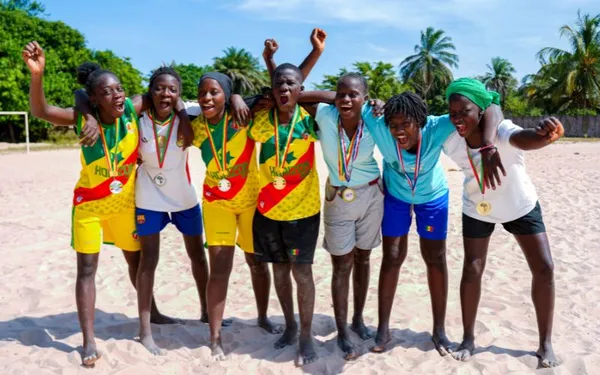
Sport draws in participants, creates a safe, inclusive and fun learning space, and delivers other learning and development programming.
The appeal, convening power and cultural value of sport is used to attract the interest and engagement of children and young people.
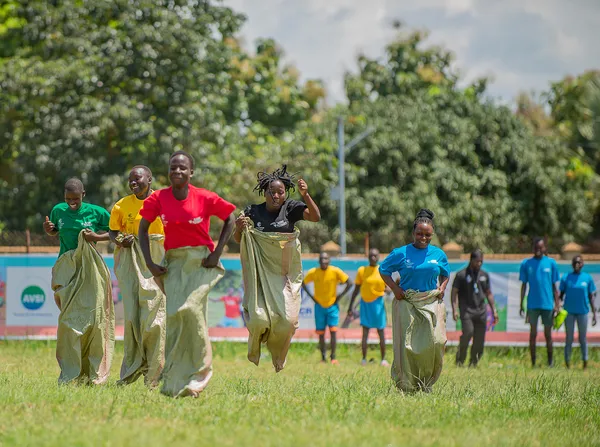
The sports activities themselves create the context for social and emotional learning and developing other positive attitudes and behaviours.
Specific learning goals are identified and inform the design of game rules, skill drills or the inclusion of moments of reflection during play.