What is Article 31 of the UN Convention on the Rights of the Child?
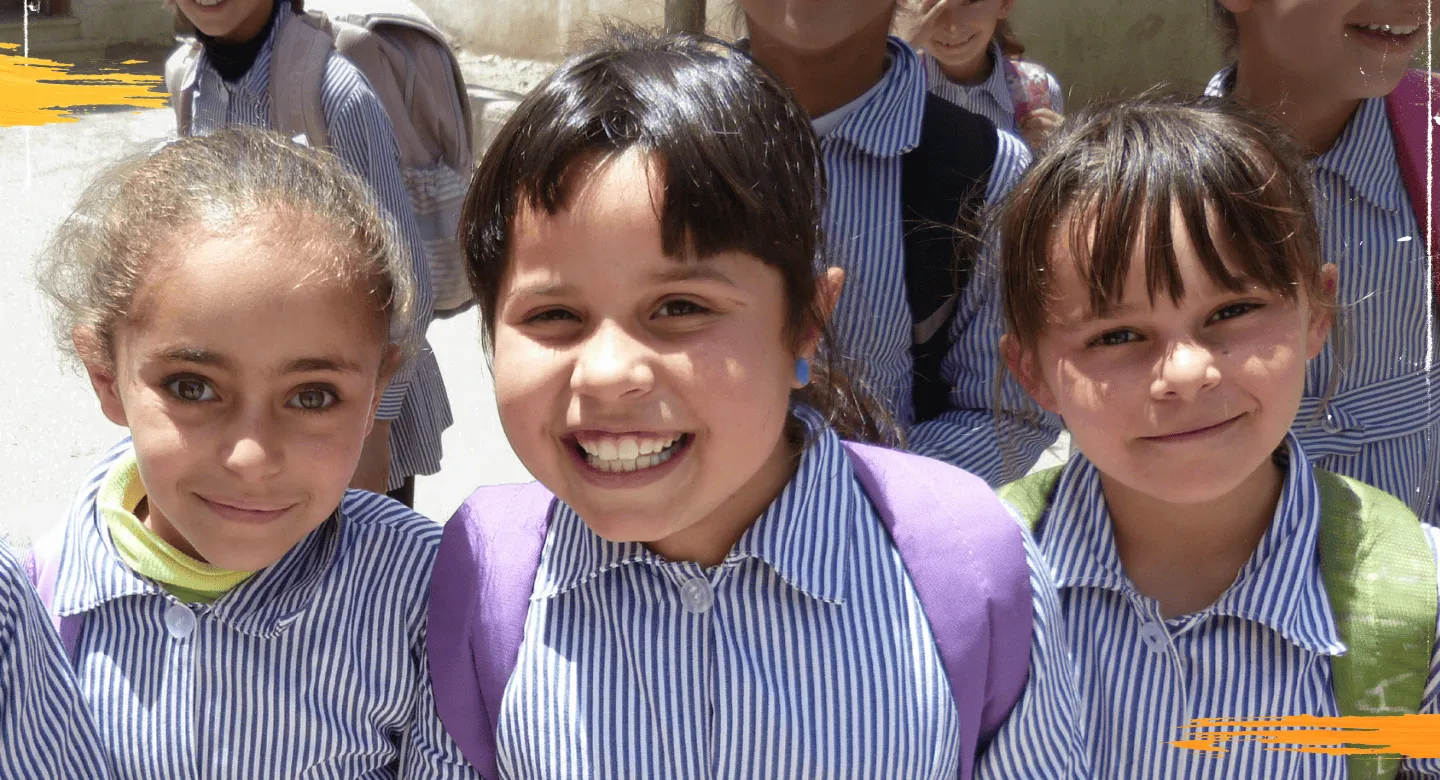
The UN Convention on the Rights of the Child (UNCRC) is an agreement that sets out the fundamental rights of every person under 18 years, regardless of their race, religion or abilities.
Adopted by the UN General Assembly in 1989, the UNCRC is the world’s most widely ratified international treaty on human rights. Countries that have signed it are bound by international law to uphold these rights. The Committee on the Rights of the Child monitors these countries to ensure that their governments are doing so.
In its 54 articles, the convention covers a range of fundamental rights for children, such as a right to an education, a right to safety from violence, and the right to health and health services.
Article 31 of the convention covers other lesser-known fundamental rights, including the right to play.
Although the convention states that no right is more or less important than the others, Article 31 has for a long time been under recognised. In fact, Right To Play research shows that only 37% of UK adults are aware that children have a right to play under this international and legally binding agreement.
It’s crucial that children’s play is understood as a fundamental right and essential part of childhood – rather than as a luxury – so that it is protected and prioritised.
Article 31: What does it actually say?
The right to play is enshrined in Article 31 of the convention. The full article reads:
- States Parties recognize the right of the child to rest and leisure, to engage in play and recreational activities appropriate to the age of the child and to participate freely in cultural life and the arts.
- States Parties shall respect and promote the right of the child to participate fully in cultural and artistic life and shall encourage the provision of appropriate and equal opportunities for cultural, artistic, recreational and leisure activity.
Is the right to play universally realised?
Although Article 31 states that every child has the right to rest and leisure, to engage in play and recreational activities appropriate to the age of the child, and to participate freely in cultural life and the arts, this is not the reality for many of the world’s children.
More than one in six children worldwide live in a place affected by conflict, and one in five live in extreme poverty. Nearly half of the world’s children live in places that are at extremely high risk from the impacts of climate change.
Such dangers and inequalities often cause or exacerbate the deprivation of play. Children living through conflict or climate shocks may not have safe spaces to play – and for refugee and displaced children play is seen as less important than other rights such as shelter and food. For children growing up in poverty, play may take a backseat behind the pressure to work to survive.
Even in more stable contexts, a lack of recognition of the importance of play means that adults, policies and education systems often fail to support it.
Some of the children who are most often denied their right to play include: